With over 20 years of experience, we transform your digital presence. We specialize in website and E-Shop development, SEO and Digital Marketing, ERP software and smart automation that take your business to the next level.
The article is directly related to Business Cards and organizes the key points that need to be checked in practice.
For better organic performance, the topic Business cards it needs a clear structure, specific answers and practical check points. The following outline helps to quickly see which factors are most important to the reader and for evaluating the content.
Key evaluation points for Business Cards
Indicative TWO DOTS mapping for the structure of the topic
Strategy
88%
Content
82%
User experience
76%
Measurement
70%
The strategic importance of the business card in modern E-commerce
In an era where digital-first is the norm for every e-shop, the idea of investing in a physical, printed marketing tool like brochures business cards may seem outdated. However, for the savvy e-commerce brand owner, the reality is completely different. The business card has evolved from a simple means of exchanging contact information to a powerful touchpoint that bridges the digital and physical worlds, enhancing the corporate identity and creating a memorable customer experience. It is not just a piece of paper, but a natural extension of your online brand, a tangible object that can be incorporated into the unboxing experience, given at B2B meetings or act as a reminder of your quality and professionalism. A thoughtful card can make the difference between a fleeting online transaction and the creation of a long-term relationship with the customer, decisively influencing the customer first impression and establishing the credibility of your business.
Its value goes beyond simply providing information. For an e-shop that does not have a physical store, every tangible interaction with the customer is gold. When a customer receives a package and inside it finds a beautifully designed, high-quality business card, their perception of the brand is automatically upgraded. This small detail communicates attention to detail, quality and a human touch behind the digital storefront. In addition, the modern business cards can act as gateways to your digital ecosystem. Incorporating a QR code that leads to an exclusive landing page, social media profile, or special offer turns a static object into an interactive marketing tool. This strategic approach to branding for e-shop It shows that you understand the customer journey and take advantage of every opportunity to strengthen the connection with them, making business cards an integral part of your holistic marketing strategy.
The Foundations of Effective Design: Beyond the Logo
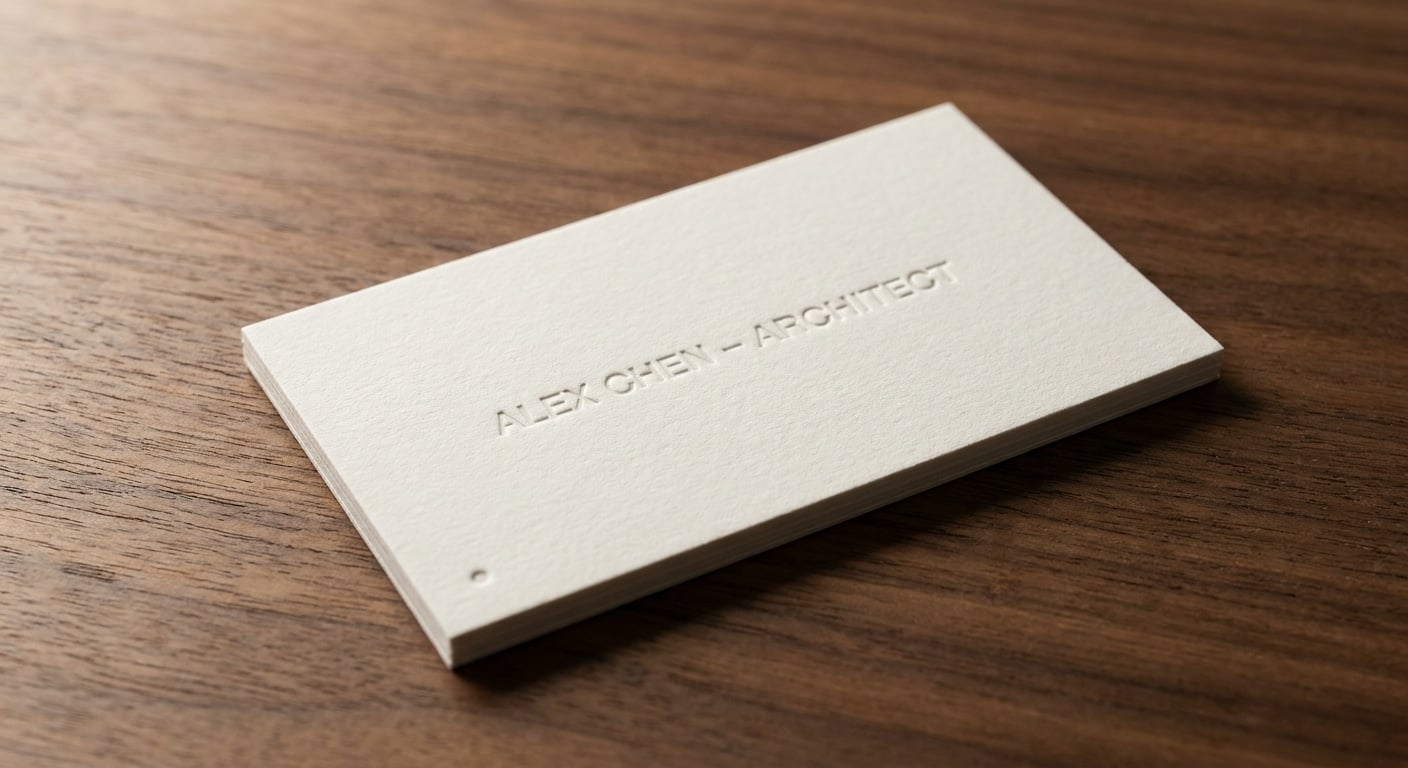
The successful one business card design is not about incorporating as much information or impressive graphics as possible. Instead, it is governed by the principles of clarity, hierarchy and consistency with the brand's visual identity. The philosophy of “less is more”, which characterizes the minimal business cards, is particularly effective, as it allows the key messages to stand out without distractions. Every element on the card should have a purpose and contribute to your brand’s overall narrative. Choosing the right typography, using whitespace to “breathe” the design, and implementing a limited but distinctive color palette are critical elements that convey professionalism and confidence. Think of your card as a miniature of your website: it should be clean, easy to navigate (visually), and reflect the quality of the products or services you offer. The texture and weight of the paper, the printing techniques (such as embossing or foil stamping), and the business card dimensions they are also factors that contribute to the tactile experience and enhance the perceived value of your brand.
Basic information: Clarity above all else
The question "“What should a business card say?” is fundamental. The primary goal is to provide the necessary information with absolute clarity. For an e-commerce brand, the hierarchy is slightly different from a traditional business. The most important element, after the logo and company name, is the website address (URL). It should be easy to read and stand out. Immediately after that, follow the main contact email and the handles of your most active social media channels. The name and title of the founder or a key executive add personality and build trust. A phone number is optional and depends on your customer service model. Avoid the trap of overloading. Every extra line of text reduces visual appeal and makes it difficult for the recipient to focus on what is important. Visual hierarchy is key: use different font sizes or weights (bold, regular) to guide the recipient’s eye to the most critical information.
Step-by-Step guide to designing the ideal business card for E-shops
Creating a card that truly stands out requires a methodical approach that combines strategy and aesthetics. It’s not enough to simply choose a ready-made template. By following specific steps, you can ensure that the end result is a powerful branding tool that serves your business goals. This guide will guide you through every stage of the process, from initial idea to final design. business card printing.
Step 1: Defining Purpose and Identity. Before you even open a design program, ask yourself: What is the main purpose of this card? Will it be included in orders? Will it be given out at exhibitions? The purpose will determine the content. At the same time, reaffirm the core elements of your corporate identity: what is your brand personality (e.g. luxurious, friendly, innovative); What emotions do you want to evoke? These answers will guide every design decision, from colors to materials.
Step 2: Content Concentration and Prioritization. Make a list of all the information you want to include, as mentioned above. Then prioritize them. For an e-shop, the order of priority is usually: 1. Logo, 2. Website URL, 3. Tagline/Short Description, 4. Social Media Handles, 5. Email. Decide what will go on each side of the card. The front can be more minimal, focusing on the logo design and the tagline, while the back can accommodate contact information and a QR code.
Step 3: Design and Visual Elements. This is the creative stage. Choose a layout that is clean and balanced. Pay close attention to whitespace, as it helps with readability and adds a sense of luxury. Use your brand fonts and colors consistently. Consider adding a distinctive visual element, such as a pattern from your branding or a quality product photo, as long as it doesn’t overwhelm the design.
Step 4: Selection of Materials and Finishes. The feel of your card is just as important as the look. Choose a heavier weight paper (at least 350gsm) to give a sense of sturdiness and quality. Consider different finishes: matte for a sophisticated, modern look, glossy for vibrant colors, or soft-touch for a plush, luxurious texture. Techniques like spot UV or letterpress can highlight your logo and make your card memorable.
Step 5: Integrate Digital Functionality. Turn your card into an interactive tool. Adding a QR code is the simplest way. It can lead to your e-shop homepage, a new products page, a discount coupon or even a video presentation. For an even more technologically advanced approach, consider the digital business cards that use NFC (Near Field Communication) technology, allowing the direct transfer of your data to a smartphone with a simple touch.
The proof in numbers: Why business cards remain an investment
Despite digital transformation, data confirms the enduring value of the business card. According to industry research, a company can see a 2.5% increase in sales for every 2,000 business cards that distributes. This may seem small, but at scale, it represents a significant return on investment (ROI) for such a low-cost marketing material. Furthermore, quality plays a crucial role in consumer perception. An Adobe study revealed that 72% of people judge a company or individual by the quality of their business card. A cheap, poorly designed card can undermine your brand’s credibility, even if your products are of excellent quality. These statistics highlight that investing in a thoughtful design and quality printing is not a luxury, but a strategic move that directly affects the image and, ultimately, the revenue of your e-shop. The business card ideas are endless, but focusing on quality and strategic functionality is what will bring the desired results.
Yes, absolutely. For an e-shop, a business card acts as a natural extension of the brand, bridging the digital and physical worlds. It reinforces the corporate identity, elevates the unboxing experience, and creates a strong first impression of credibility and professionalism.
What information should a business card for an e-shop have?;
The essential elements are the logo, the company name and, most importantly, your website address (URL) in an easily readable format. Additionally, you can add the contact email, social media handles and the founder's name for a more personal touch, avoiding overload.
How can I connect my printed card to my online e-shop?;
The most effective way is to embed a QR code that leads directly to your e-shop, a special offer or social media. This turns a static card into an interactive marketing tool and improves the customer experience.
Does the quality of paper and printing on a business card matter?;
Absolutely. The quality of the card directly affects the customer's perception of your brand. A heavy paper, a neat finish (such as matte or soft-touch) and special printing techniques communicate quality and attention to detail, increasing the perceived value of your business.
What are the basic principles for properly designing a business card?;
Successful design is based on the philosophy of “less is more”, emphasizing clarity and consistency with your corporate identity. Proper use of whitespace, a limited color palette and legible typography are critical elements for a professional result.
Is it worth investing in business cards for an e-commerce brand?;
Yes, it is an investment with measurable returns, as it can lead to increased sales. Since the majority of consumers judge a company by the quality of its card, investing in good design and printing is a strategic move that enhances your image and credibility.
What is the main topic of the article about Business Cards?;
The article is directly related to Business Cards and organizes the key points that need to be checked in practice.
What should I know about the strategic importance of the business card in modern E-commerce?;
In an era where digital-first is the norm for every e-shop, the idea of investing in a physical, printed marketing tool like business cards may seem outdated.
What should I know about The Foundations of Effective Design: Beyond the Logo?;
Successful business card design isn't about incorporating as much information or eye-catching graphics as possible.
What should I know about Basic information: Clarity above all else?;
The question "what should a business card say" is fundamental. The primary goal is to provide the necessary information with absolute clarity.