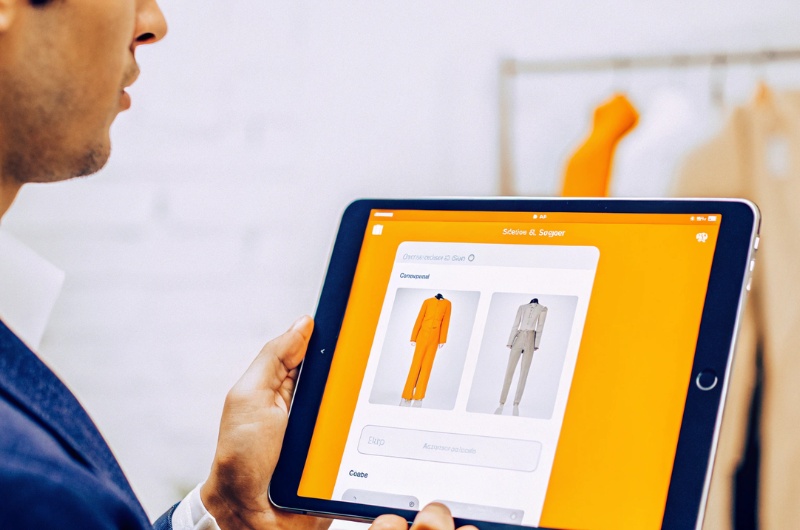
The developments in Google Shopping and the prevalence of artificial intelligence, with ChatGPT as a vehicle, are now shaping a different scene in e-commerce. Consumers are no longer limited to simple product searches, but expect personalised recommendations, real-time price comparison and a much more direct experience. In this article, we'll analyze how Google Shopping is transforming online shopping, examine the new dynamics brought by ChatGPT, and look at what all this change means for e-shops, through practical examples and step-by-step guides.
Google Shopping has for years been a very popular shopping platform that functions as a shopping search engine. It offers consumers the ability to directly compare prices and products from various e-shops, facilitating the decision-making process. Semrush data for Q1 2025 shows that searches around Google Shopping have increased significantly, with e-shoppers increasingly turning to this solution before making a final purchase, mainly due to the efficiency of the tool.
With Google Shopping, business e-shops can boost their visibility by leveraging Shopping listing ads to increase the visibility of their products in SERP results, attract new customers and facilitate the marketing funnel structure. In addition, automation in ads and suggested listings through artificial intelligence makes the environment even more efficient.
The dynamics of ChatGPT and its integration into online markets
AI has already made its presence felt in the e-commerce sector, and ChatGPT now acts as a «digital advisor» that can automate answers to customer questions, suggest relevant products and facilitate the processes from search to purchase. One statistic worth mentioning is that, according to Semrush data, searches related to ChatGPT jumped 28% in one quarter in the US compared to the same period in 2024.
ChatGPT's entry into online shopping offers the possibility for a personalized user experience, quick response to queries and optimization of the shopping process. Many industry professionals are already implementing ChatGPT to improve customer service and increase conversions in their e-shop.
With the strong presence of both Google Shopping and ChatGPT, consumer habits are changing significantly. Users are no longer limited to simply comparing prices, but are looking for deeper, higher quality information. According to research by Semrush, consumers are emphasizing opinions, reviews and recommendations from AI systems like ChatGPT, adding another layer of authority to the decision-making process.
Businesses that shield their e-shop with Google Shopping features and automated services such as ChatGPT gain a competitive advantage in terms of effective e-shop marketing, increasing customer trust and engagement.
The effective use of e-commerce trends requires a combination of expertise and tools. Here is a simple guide for entrepreneurs who want to take their e-shop off the ground:
First, create a Merchant Center account and upload comprehensive data feeds for your products. Ensure that products have full titles, descriptions, clear images and correct prices. Enable Shopping listing ads and use analytics to improve your listings.
Add an AI chatbot to your e-shop, such as ChatGPT, to automatically answer questions, suggest products or provide availability information. You can connect the chatbot to Google Shopping for a full self-service shopping experience.
Step 3: Data analysis and trend monitoring
Check your sales statistics on a regular basis. Identify which product listings are performing best, when Google Shopping search volume is growing, and how consumer behaviour towards AI is adjusting.
Step 4: Personalising the experience
Use the personalization capabilities provided by modern shopping bots and ChatGPT to offer a unique digital experience to your visitors, increasing the prospect of returning customers and the conversion rate.
The future of online shopping and the e-shop strategy
Google Shopping, combined with artificial intelligence and ChatGPT, are bringing the next day to online shopping. Price comparison, personalized experience, automation and more efficient SERP results are one way for any business that wants to stay competitive. Adapting to the new requirements and adopting the latest marketing and shopping tools is the key to the upward trajectory of a successful e-shop.