With over 20 years of experience, we transform your digital presence. We specialize in website and E-Shop development, SEO and Digital Marketing, ERP software and smart automation that take your business to the next level.
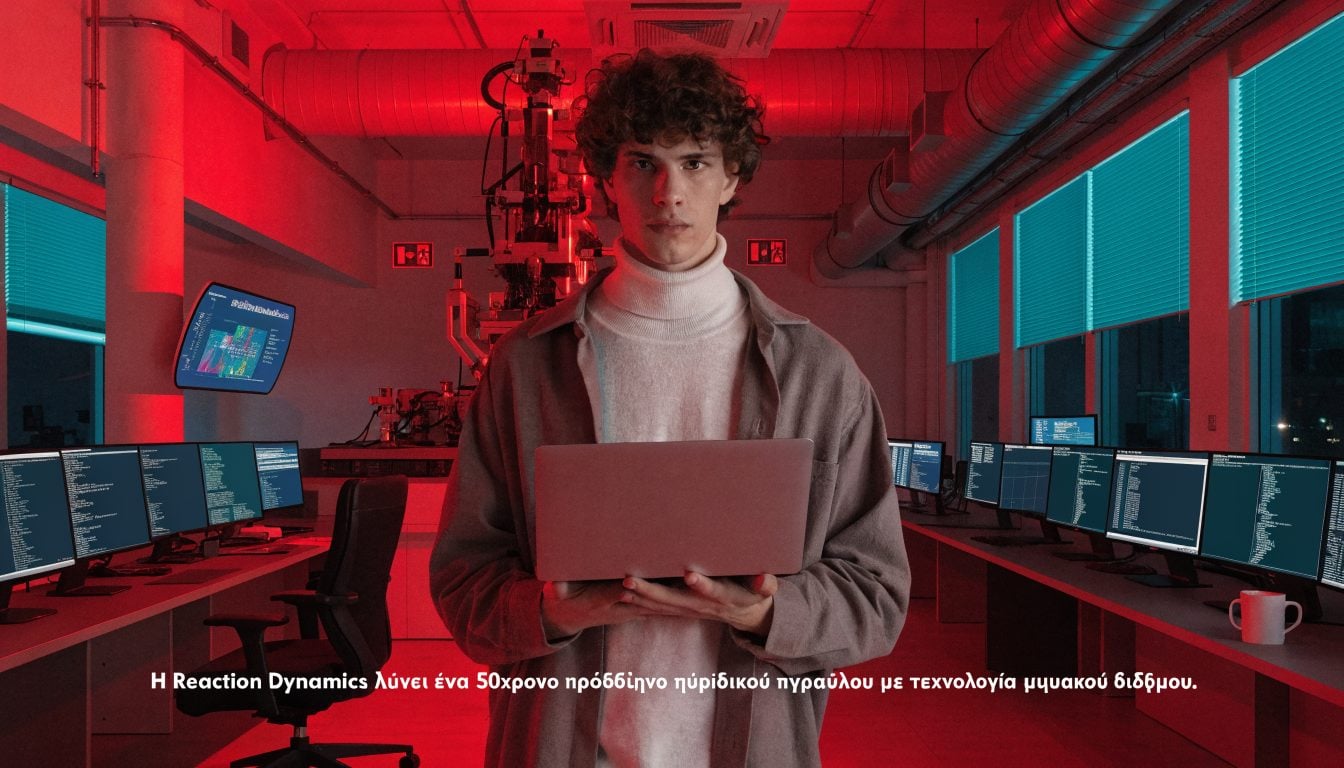
Reaction Dynamics solves a 50-year-old hybrid rocket problem with digital twin technology
Reaction Dynamics used digital twin technology to solve problems in hybrid rocket technology that have plagued for decades. This innovative tool allows businesses to move risk from the physical to the digital environment, offering simulation and optimization capabilities. E-commerce businesses can benefit from this approach by modeling and refining decisions in a secure digital context, reducing risk and improving performance.
«Reaction Dynamics solves a 50-year-old hybrid rocket problem with digital twin technology» shows why the right technical foundation and clear strategy help a business make better digital decisions.
The article summarizes the most important points and turns them into practical steps for businesses that want better organic visibility, a cleaner user experience and more reliable content.
The news that Reaction Dynamics has used digital twin technology to address a problem that has plagued hybrid rocket technology for nearly 50 years is not just an aerospace and engineering story. It's a practical lesson for any company that designs, tests, launches and optimizes products under conditions of high cost and uncertainty. In the DesignNews article, the interesting point is not only that a space technology company is using advanced simulation and digital twin for rocket engine design, but that it is transferring much of the risk from the physical test environment to the digital one. This is exactly the point that e-commerce owners need to keep in mind: before you spend budget, time and team on a decision, you can model it, measure it and refine it in a safe digital environment. See also: Digital Marketing & SEO, business automation & AI, e-shop construction.
A digital twin is a digital representation of a physical system, product, process or operation, which is fed with data and enables simulations, predictions and improvements. In aerospace, this can relate to the behaviour of an engine, fuel flow, thermal stress and performance in different scenarios. In e-commerce, it can be about the supply chain, conversion funnel, stock planning, customer journey, fulfillment, and even the behavior of a new platform before a big seasonal campaign. The common sense is the same: when the cost of error is high, simulation is not a luxury, it's a survival mechanism.
Why the digital twin of Reaction Dynamics is also relevant for commercial businesses
Practical reading: Keep from the topic of the article what can be turned into a cleaner user experience, better documentation and a more measurable business decision.
The case of Reaction Dynamics shows how virtual prototyping can reduce the need for expensive physical testing, especially when a product or system has many variables. Hybrid rocket engines are considered attractive because they combine solid and liquid fuel elements, but combustion stability, performance control and accurate prediction of their behavior have historically been difficult issues. With a digital twin, the team can test parameters, observe behaviors and identify weak points before moving on to expensive or risky physical testing. For an e-commerce owner, the equivalent problem might be a replatforming, a new shipping policy, a large B2B portal, a marketplace expansion or a change in pricing model. In all of these cases, the risk is not just in the technology, but in the combined effect of many factors: inventory, speed of service, user experience, returns, cash flow and advertising costs.
The value becomes even clearer if we look at the market. According to Grand View Research, the global digital twin market was valued at $16.75 billion in 2023 and is projected to reach $155.84 billion by 2030. This does not indicate a passing technological fad, but a profound shift in the way businesses design and control operations. As shown in the chart below, the size difference between 2023 and 2030 shows why the digital twin is now entering the agenda of not only industries, but also retail, logistics and technology companies.
Global Market Digital Twin
Source:Grand View Research, Digital Twin Market Size 2023 and Forecast 2030
2023
16.75 billion dollars
2030
155.84 billion dollars
The aerospace course: fewer assumptions, more data
What changes in practice on the issue: Reaction Dynamics solves a 50-year-old hybrid rocket problem with digital twin technology
Simple reading of the trend
The business understands the news, but doesn't translate it into a specific change in content, user experience, technical infrastructure or commercial decision.
UpdateWithout application
Practical use by the company
The issue becomes a reason for a clearer strategy, better documentation, more useful touchpoints and measurable actions that fit the brand's audience.
PriorityAction
In aerospace, a design mistake does not just mean a delay. It can mean loss of equipment, mission failure, increased costs and redesign of the entire system. That's why rocket engine design teams invest in simulation, computer models and digital test environments. Reaction Dynamics, as described in DesignNews, uses this logic to approach a technical difficulty that has dogged hybrid rocket systems for decades. The important business implication is that innovation comes not just from more testing, but from better decision-making models.
In e-commerce, most decisions are still made with a combination of experience, analytics and time pressure. For example, a business may decide to change couriers because it sees complaints, increase stock because it fears sell out or invest in a new ERP because the operations team is under pressure. These decisions are often right as a gut feeling, but incomplete as a model. A supply chain digital twin can show what happens if demand increases by 30%, if a supplier is 10 days late, if conversion rate goes up from a TikTok campaign or if returns double after an aggressive promotion. The difference is not theoretical. It's the difference between “I hope the system holds up” and “I know which point will break first.”.
Aerospace is also a good example because it is in a growing market that is attracting capital, competition and technical expertise. According to the Space Foundation, the global space economy grew from $469 billion in 2021 to $613 billion in 2024. As shown in the chart below, this rise explains why companies like Reaction Dynamics are pursuing faster and more efficient product development cycles. When the market grows, time to market becomes a strategic advantage.
Evolution of the Global Space Economy
Source: the Space Foundation, The Space Report, data 2021-2024
2021469 billion dollars
2022546 billion dollars
2023570 billion dollars
2024613 billion dollars
How digital twin translates into e-commerce automation
Main decision
Reaction Dynamics solves a 50-year-old hybrid rocket problem with digital twin technology: what does it mean for business?;
The important thing is not only to understand the news or trend, but to see if it affects content, UX, SEO, brand, automation, sales or the related service.
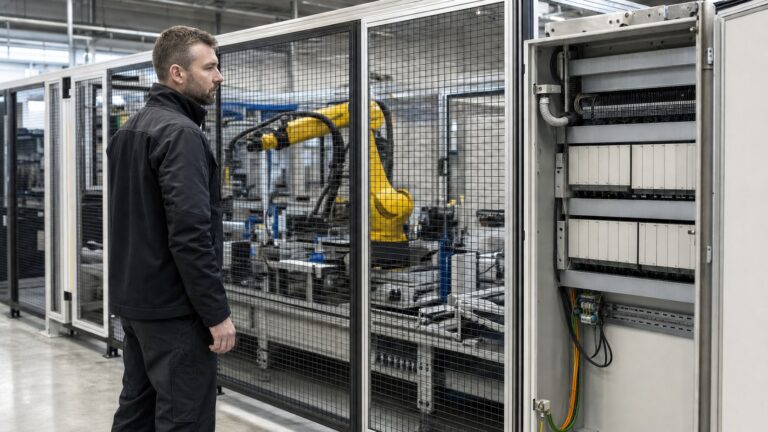
For an e-commerce business, digital twin doesn't have to start as a huge industrial IoT project. It can start with a specific business problem: why shipments are delayed, which products generate disproportionate returns, how free shipping affects margin, when to restock, which channel brings customers with a high probability of repurchase or which demand growth scenario will block the warehouse. The critical thing is to create a working model that connects data from e-shop, ERP, WMS, CRM, advertising platforms and customer service. This model can gradually become smarter, more automated and more reliable.
The Reaction Dynamics logic is useful because it does not treat the simulation as a presentation, but as a decision tool. The same should be true for an e-commerce automation project. If a digital twin merely displays dashboards, it's not enough. It needs to answer “what if” questions. What happens if the Meta Ads budget grows 40% for 10 days? What happens if a bestseller is left without stock? What happens if the free shipping limit changes from 50 to 65? What if the customer support team receives 2,000 additional tickets in one week? These questions are directly related to cost reduction, profitability and operational resilience.
The commercial dimension of the space economy also shows something important: even in a high-tech industry, much of the economic activity is commercial. According to the Space Foundation's 2023 figures, of the $570 billion in the global space economy, about $445 billion came from commercial revenues and about $125 billion from government spending. The graph below shows the breakdown and helps to understand why technologies that improve performance, speed and reliability are of direct business interest.
Space Economy 2023 allocation
Source: the Space Foundation, The Space Report 2024, commercial revenues and government spending
Commercial revenue445 billion dollars
State expenditure125 billion dollars
Step-by-Step guide to implement digital twin logic in your e-shop
The first step is to choose a problem with a measurable economic impact. Don't start with a general goal of “becoming data-driven”. Start with something that hurts: high returns, late deliveries, low product availability, weak forecasting, poor checkout experience or instability after large campaigns. The more specific the problem, the faster the value of the digital twin will be seen.
Map the process from end to end. If you are looking at shipments, record from the time the order is placed to delivery and possible return. If you are looking at stock, record supplier, lead time, minimum stock, sales velocity, seasonality and cancellations.
Gather the available data. Connect e-commerce platform, ERP, WMS, courier reports, CRM and advertising data. Not everything has to be perfect from day one. But you do need to know which data is reliable, which is missing and which is creating noise.
Here are the key KPIs. For example, fulfillment time, stockout rate, return rate, gross margin, customer lifetime value, cancellation rate, cost per order and customer support tickets per 1,000 orders. Without KPIs, the simulation becomes impressive but not useful.
Create the first “what-if” model. Start with 3 to 5 scenarios: increase in demand, supplier delay, change in transportation, increase in advertising budget or change in return policy. The goal is not to predict the future with absolute accuracy, but to see where sensitivity occurs.
Link the model to automation decisions. If the model shows an increased risk of stockout, activate reorder alerts. If it shows support overload, create automated customer notification flows. If it shows a margin drop, readjust campaigns or free shipping limits.
Repeat every month. A digital twin is not a static report. It is improved with new data, real deviations and feedback from the team. Its value grows when it becomes part of how decisions are made.
At this point it is worth making a practical distinction. A dashboard shows what happened. A predictive model estimates what might happen. A digital twin connects “what's happening” to “what will happen if I change something”. This third dimension is the most useful for businesses that want to reduce risk before committing budget. Just as Reaction Dynamics is not limited to observing a physical engine but creates a digital test environment, an e-shop should not be limited to reading analytics after the campaign. It should be able to test strategies before paying for them in the marketplace.
Metrics, risk and organisational maturity
The biggest mistake many companies make when they hear about digital twin is that they think of it as a technology project. In practice, it is a functional maturity project. If ERP data is not clean, if product codes change without a rule, if customer support does not record contact reasons, if returns are not categorized properly, then digital twin will reproduce the disorder. Technology can speed up analysis, but it cannot replace the discipline of data collection.
That is why the right way of implementation is gradual. Start with a use case with a clear ROI, such as reducing stockouts or improving fulfillment. Create a small cross-functional team with operations, marketing, finance and technology. Define who owns each data point and who decides when the model shows risk. Then measure results not just in technical indicators, but in business changes: fewer lost sales, fewer returns, lower service costs, better availability and more consistent margins. This is the bridge between industrial IoT and the day-to-day management of a commercial organization.
The most mature use of the digital twin is not to create an impressive model, but to establish a new business habit: before something important changes, it is simulated. Before the budget is increased, operational resilience is examined. Before a new sales channel is entered, fulfillment is checked. Before a promise of delivery in 24 hours is made, actual capability is measured. This mindset is what makes technology useful, not just impressive.
Practical steps for exploitation
Step 1Identify the main effect.
Connect the topic to a real audience need: awareness, trust, product choice, experience improvement or increased conversions.
Step 2Turn it into energy.
Define what changes in content, service pages, product pages, internal links, CTA or technical implementation.
Step 3Measure the result.
Track organic visibility, engagement, leads, conversions and user behavior so the article has practical value.
Conclusion: from rocket engine design to commercial advantage
The story of Reaction Dynamics serves as a powerful reminder that big problems are not always solved with more effort in the same environment. They are often solved when the learning environment changes. The digital twin allows teams to experiment faster, with lower risk, and with more precision. In aerospace, this can mean a better understanding of a hybrid rocket engine. In e-commerce, it can mean smarter inventory management, more reliable deliveries, more profitable campaigns and faster time to market.
For e-commerce owners, the practical message is clear: don't wait until the business is “big enough” to think in terms of simulation. Start with a critical problem, organize your data, create a simple model, test scenarios, and connect the findings with automation. This is the most realistic path to transform digital twin from a technology term to an everyday tool for growth, control, and competitive advantage.
A digital twin is a digital representation of a physical system that allows for simulations and improvements. It is used to reduce risk and cost in areas such as aerospace and e-commerce.
How does the digital twin help commercial businesses?;
The digital twin allows businesses to test strategies and predict outcomes before committing resources. This reduces risk and improves decision making in areas such as supply chain and marketing campaigns.
What is the value of the digital twin in e-commerce?;
In e-commerce, digital twin can improve inventory management, customer experience and profitability. It allows simulating scenarios such as demand growth or changes in the conversion funnel.
What are the basic steps for implementing digital twin in an e-shop?;
Start by selecting a problem with a measurable impact, map the processes and gather data. Then create what-if models and link them to automation for better decision making.
Why is digital twin important for risk reduction?;
The digital twin allows strategies to be tested and evaluated in a secure digital environment, reducing the risk associated with implementing changes in the real world. This is particularly important when the cost of error is high.
What is the relationship between digital twin and innovation?;
The digital twin fosters innovation by enabling quick and safe testing of new ideas and solutions. This reduces development time and costs, leading to more efficient and innovative solutions.
How does digital twin technology affect the global market?;
The global digital twin market is growing rapidly as businesses look for ways to optimise their operations and reduce risk. It is expected to reach $155.84 billion by 2030.